Hi, my name is Ollie Abell
A mechanical engineer with 20 years’ experience of engineering and innovation, predominantly in electricity generation, now living and working in York.
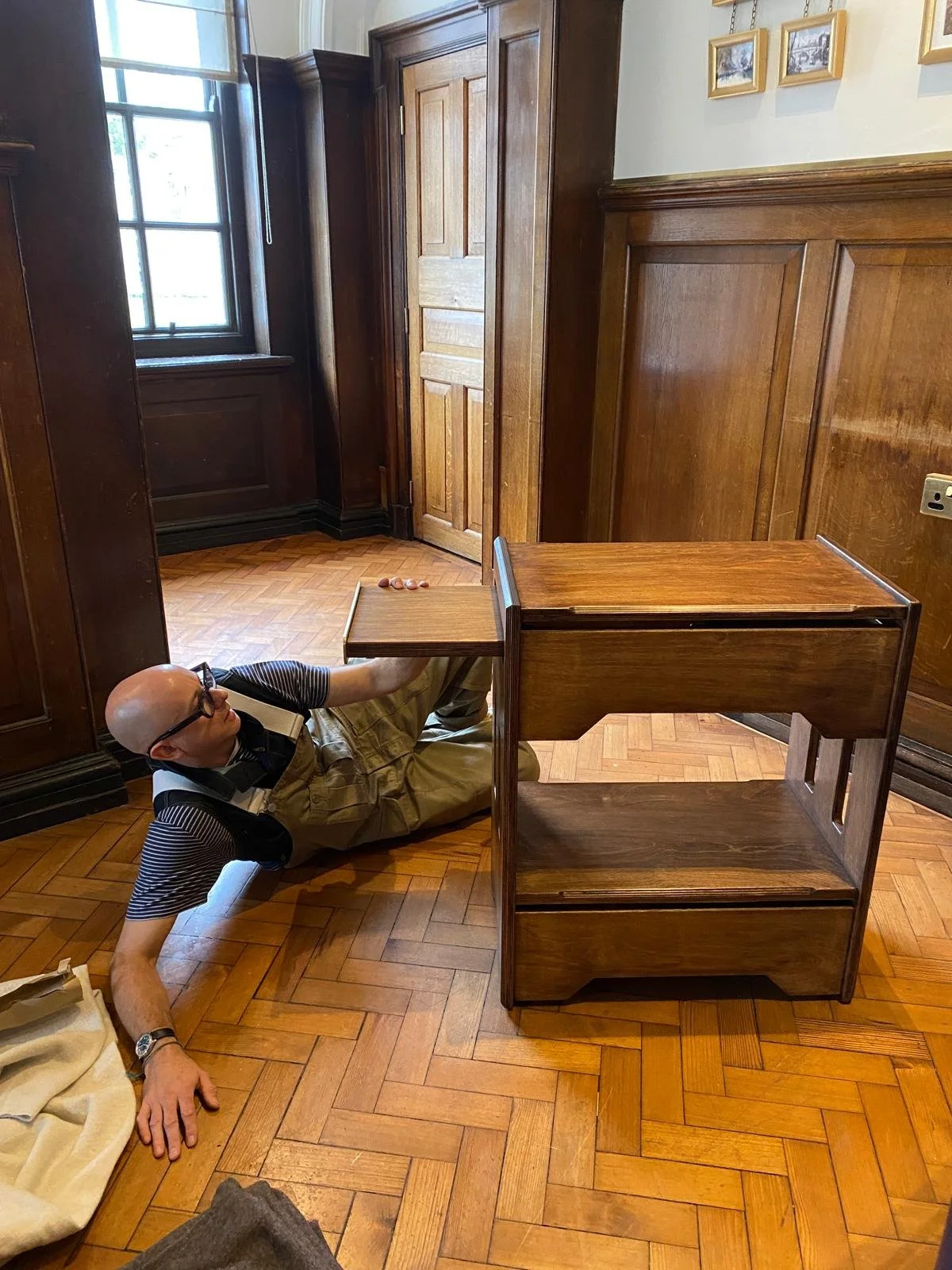
Whilst my preferred definition of engineering is ‘problem solving through applied science’, I have always thought there is an element of artistry in good engineering. When scientific theory meets the chaos of the real world, creativity and instinct are needed to arrive at elegant, effective solutions.
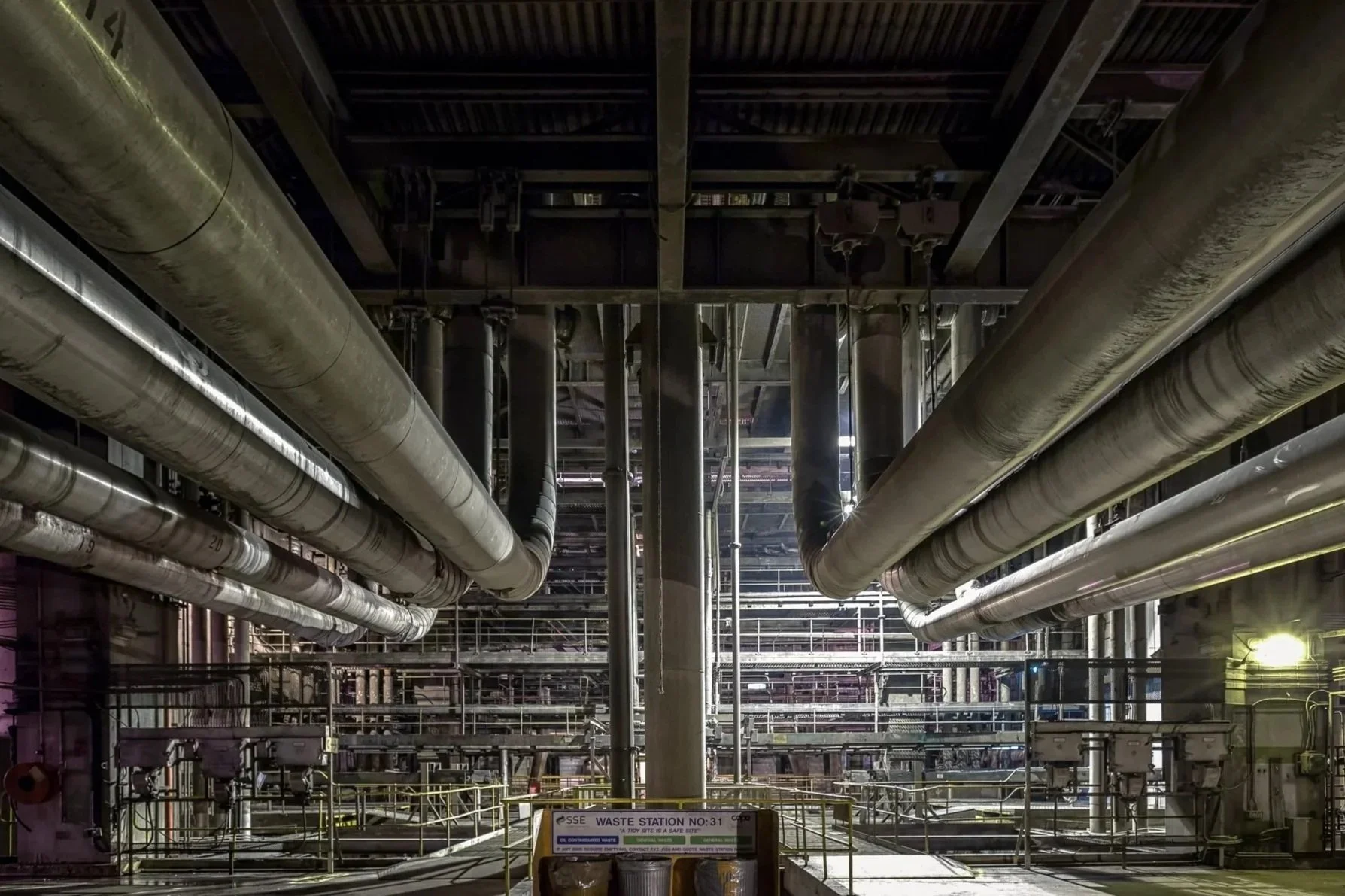
Much of my engineering career was spent in mid-century coal-fired and hydroelectric power stations. The design of these beautiful machines, along with my love of flow, infused my thinking when I began designing and making “functional furniture” for myself around 14 years ago.
My Designs
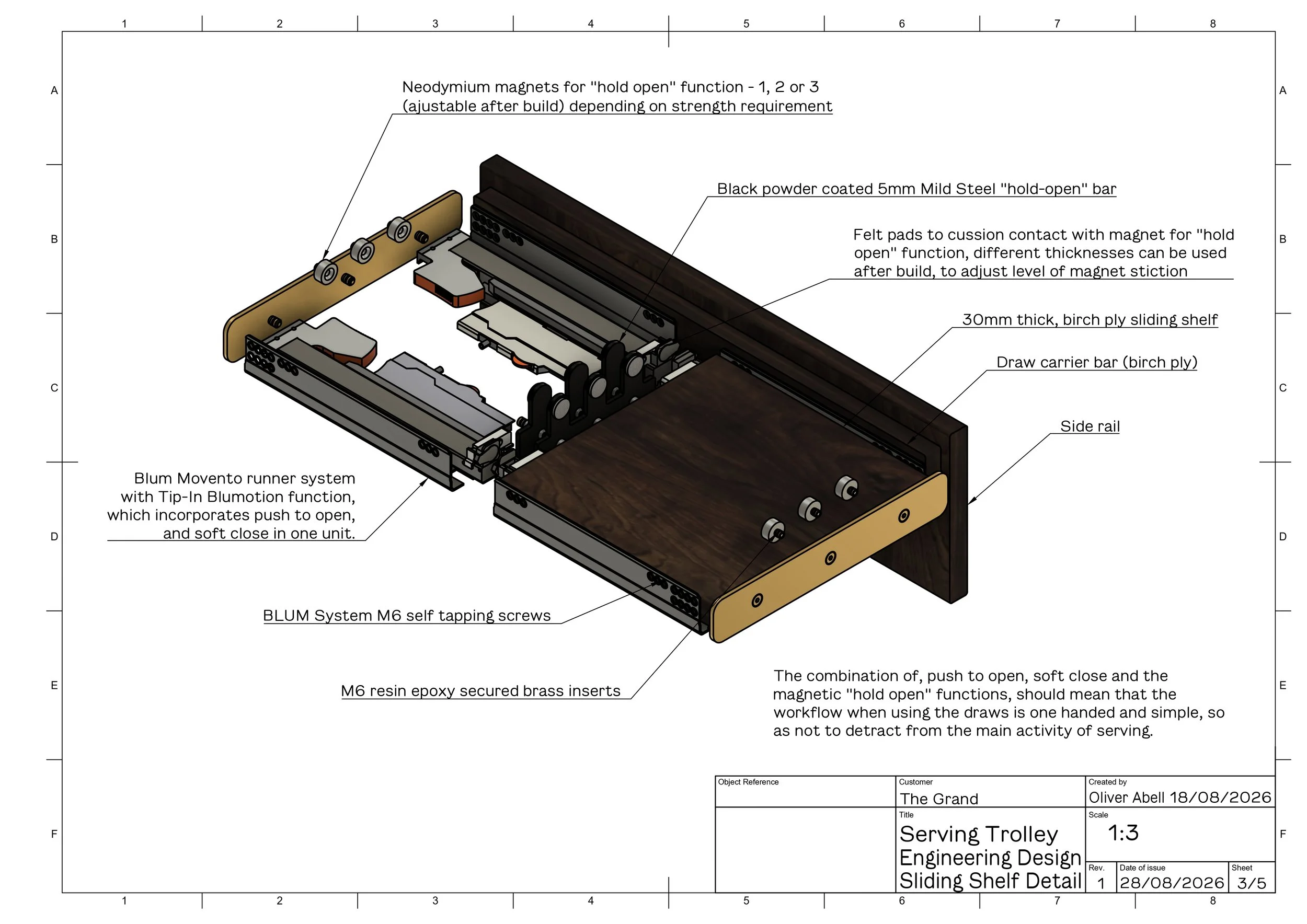
The engineer in me is drawn to simple designs that can be taken apart, repaired, reconfigured or refinished, and then reassembled. Whether you need to do any of those things is beside the point; what matters is that you can. This adaptability also gives objects a distinctive character: each is built from a combination of custom-made and off-the-shelf components, often with bolted connections.
This approach reflects three important considerations in design development: function, flow and elegance.
Function
Does it make life better?
It sounds obvious, but the starting point for any design is to identify what you want it to do - and, just as importantly, what you don’t. It’s easy to skip this step and lose sight of the problem you set out to solve, resulting in an object without a clear purpose. Answering the question often means taking a broader view and thinking holistically about how you want to organise your space, work or daily life.
Flow
Does it feel great to use?
Once you know what something needs to do, take some time to think about how it should function. Even minor impediments can get in the way of somethings core purpose: we may use the object differently than intended, find it irritating, or both. That’s one reason not to ask too much of a single piece. It’s more than that though, the quality of your interaction with something can make everyday tasks feel a little special.
Elegance
Is it beautiful?
Elegance often comes from simplicity - in the choice of materials, the way they’re finished and the details of the design. A simple design with repeated motifs and a limited range of parts can be harder to achieve than a more obviously complex one. Parametric computer-aided design can help, by encouraging the reuse of components and parameters, keeping the design coherent. The aim is always something quietly beautiful.